
Automotive Payment Processing Trends and Outlook for 2025–2026
The automotive payment processing landscape is experiencing rapid transformation driven by changing consumer expectations, technological innovation, and evolving business models. Dealerships that successfully integrate emerging payment technologies (including BNPL financing, contactless payments, and connected vehicle commerce) while maintaining strong fraud prevention and security protocols will be best positioned for growth. As digital tools continue to streamline the purchase journey and younger generations demand seamless omnichannel experiences, investment in specialized automotive payment solutions has become essential for competitive success.
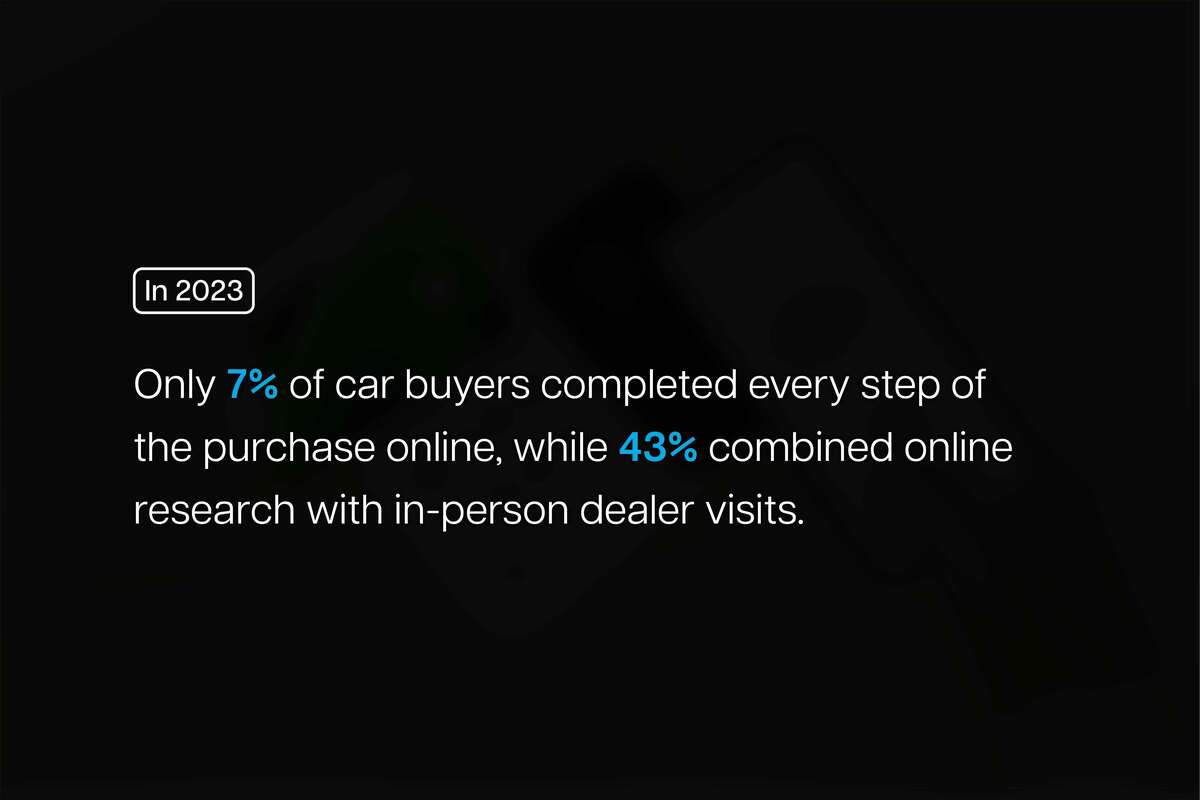
The automotive industry is undergoing a digital transformation in how payments are processed. Auto dealerships are evolving their payment acceptance strategies to meet changing buyer expectations, driven by declining cash usage and increasing demand from younger generations for speed and convenience. While digital tools continue to expand, most consumers still employ an omnichannel approach when purchasing vehicles. Research shows that only approximately 7 percent of buyers completed every step of a purchase online in 2023, while 43 percent combined online research with in-person dealer visits [1].
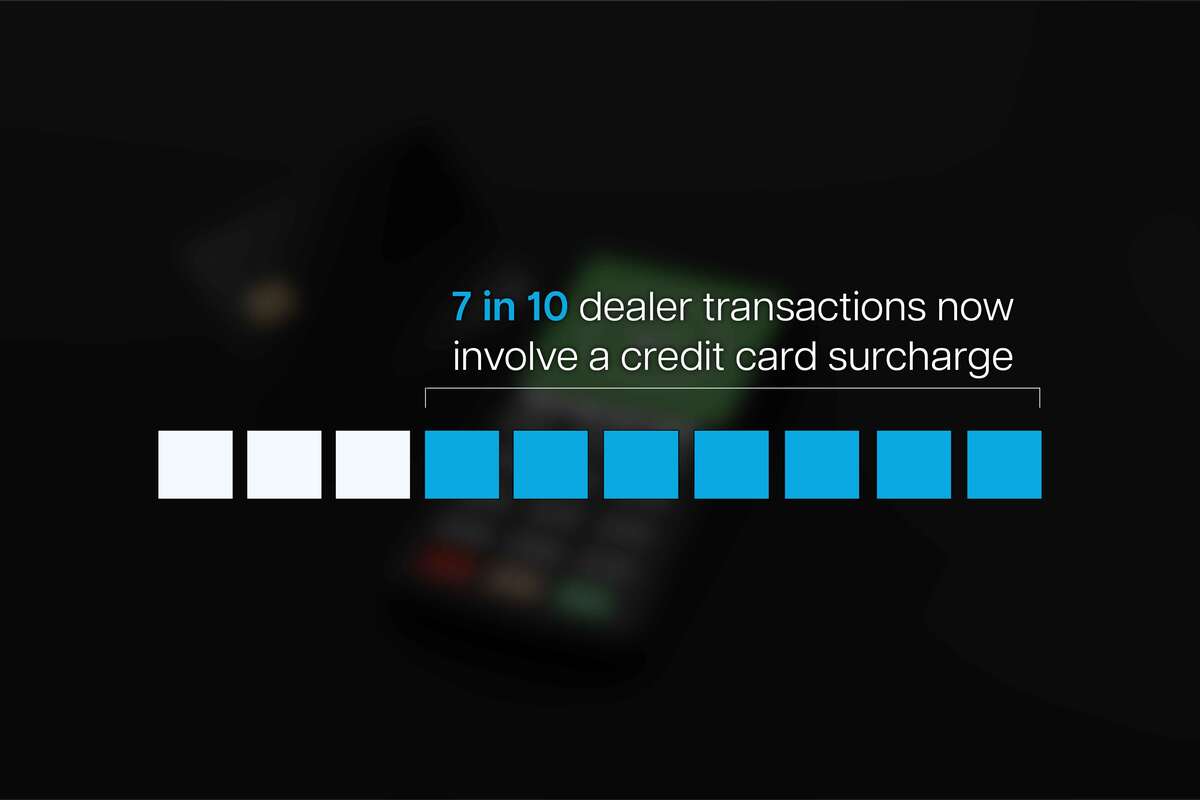
Major automakers are responding to these shifts by integrating web checkout systems with dealer infrastructure. For example, Ford signed a five-year agreement with Stripe to enable vehicle orders, financing applications, and customer payments on its website to route seamlessly to local dealers [2]. Similarly, many dealerships have adopted credit and debit card surcharge programs to offset processing costs. Industry surveys indicate that approximately 7 in 10 dealer transactions now involve some form of credit card surcharge [3]. As payment preferences evolve, dealerships must accept multiple channels (including credit cards, debit cards, mobile wallets, and contactless NFC options) to remain competitive.
Emerging Payment Technologies in Automotive Retail
Automotive payment systems are expanding far beyond the traditional showroom transaction. New digital financing options and electronic payment methods are enabling more flexible purchase experiences and service offerings across the customer journey.
Buy Now, Pay Later (BNPL) Adoption
BNPL financing plans are becoming increasingly common at service bays and parts counters throughout the automotive sector. Major original equipment manufacturers including Honda, Nissan, and Volkswagen now offer BNPL options for vehicle maintenance and parts purchases [4]. As auto repair costs rose nearly 6 percent in 2024, consumer adoption of BNPL financing has surged correspondingly.
The financial impact is substantial. One large Honda dealer reports approximately $1.2 million annually in parts and labor paid through BNPL arrangements, representing about 15 percent of its total service business. Consumers utilizing BNPL for automotive services tend to have lower credit scores, enabling dealerships to capture aftermarket revenue that might otherwise be lost. Industry data reveals that Affirm, a leading BNPL provider, facilitated more than $5 billion in loans for auto parts, accessories, and servicing by mid-2024 [4].

Beyond service applications, BNPL is gaining traction for vehicle down payments and purchase financing. Merchants across industries report conversion rate increases of 20 to 30 percent and average order value increases of 30 to 50 percent when offering BNPL options [5].

Contactless and Mobile Wallet Integration
Tap-to-pay and digital wallet technologies have reached mainstream adoption. A 2024 survey found that more than 50 percent of U.S. shoppers prefer contactless payment methods at checkout, and approximately 65 percent of American adults used a mobile wallet by mid-2024 [6]. Dealerships are implementing NFC terminals and pay-by-text or in-app payment options, allowing customers to complete down payments or service bills using Apple Pay or Google Pay directly from their mobile devices.
Contactless acceptance not only accelerates transaction speed but also aligns with the preferences of younger buyers. Generation Z consumers are significantly more likely to prefer contactless payment methods and may abandon a purchase if their preferred payment option is unavailable [6].
Connected Car and In-Vehicle Payment Systems
Automakers are embedding commerce capabilities directly into the vehicle experience. Luxury and electric vehicle models increasingly include in-car applications that enable drivers to pay for fuel, parking, tolls, or charging sessions without leaving the vehicle. Industry forecasts project the in-vehicle payments market will reach hundreds of billions of dollars by 2030, driven by global digitalization trends and electric vehicle adoption [7].
For instance, Hyundai has announced plans to introduce an in-car payment system supporting EV charging through IONITY and food ordering services. Ford has partnered with Stripe to support online commerce and potentially in-vehicle payment capabilities for dealers across North America [8]. In the coming years, these features may enable drivers to finalize vehicle financing or remotely pay for services directly from their vehicle dashboard.
Business Impact and Operational Challenges
These payment technology trends create both significant opportunities and challenges for automotive dealers. On the positive side, digital tools can substantially accelerate sales and service processes. Faster credit approvals, one-touch financing options, and real-time payment confirmation all contribute to improved cash flow and enhanced customer satisfaction. Research on flexible payment implementations demonstrates that offering options like BNPL and digital checkout significantly boosts sales performance metrics [5].
Dealers are also integrating their Dealer Management Systems (DMS) and Customer Relationship Management (CRM) platforms with payment gateways, enabling seamless invoicing both in-dealership and online. However, the high average transaction values characteristic of automotive sales require strict fraud management and chargeback prevention protocols.
Elevated Fraud and Chargeback Risk
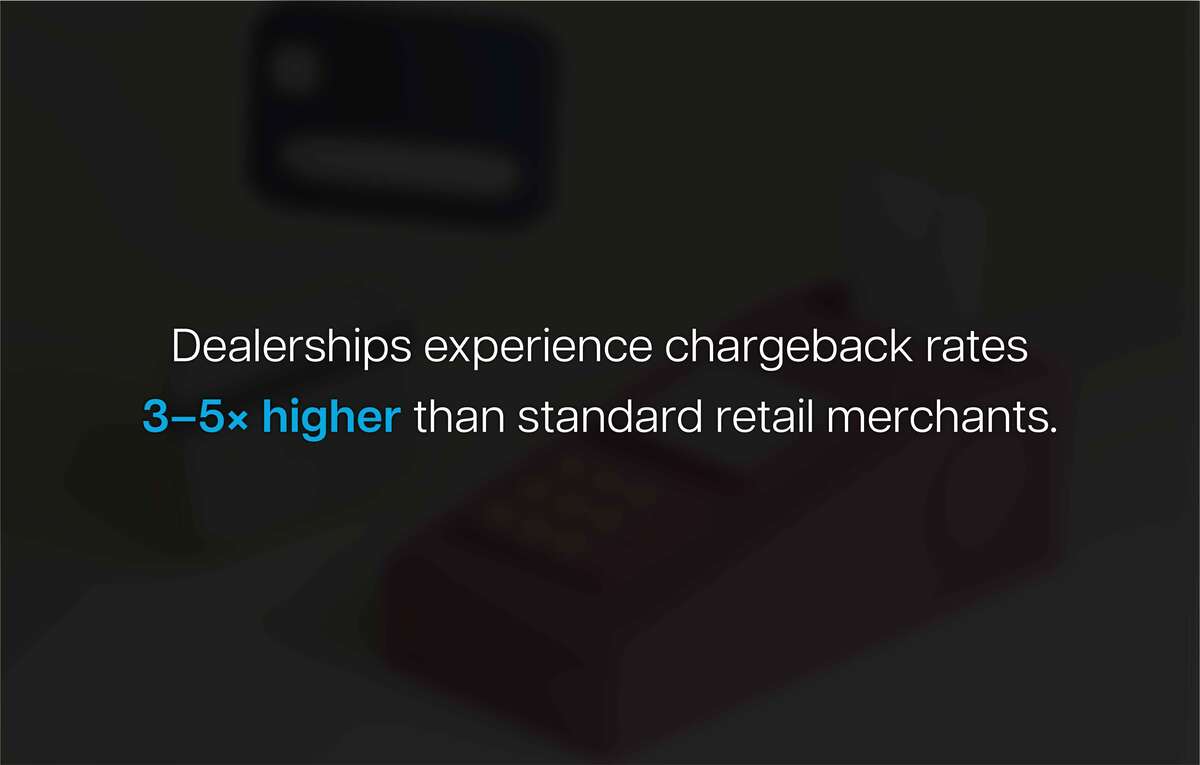
According to industry experts, dealerships face substantially elevated fraud risk and dispute volumes compared to typical retail operations. Dealerships can experience chargeback rates 3 to 5 times higher than standard retail merchants due to the high value of vehicles and services [9]. This elevated risk profile makes robust security measures (including EMV chip card processing, NFC contactless acceptance, and tokenization) essential. Maintaining compliance with Payment Card Industry Data Security Standard (PCI DSS) updates is also critical.
High Approval Rates and Specialized Integration
Automotive payment processors specializing in dealership environments report substantially higher transaction approval rates compared to standard payment gateways. In high-risk verticals such as used car sales, utilizing a specialized processor rather than a generic merchant account can dramatically reduce payment declines and hidden fee structures. Leading dealer-focused solutions offer built-in fraud monitoring, chargeback management capabilities, and streamlined integration with inventory and CRM systems [9].
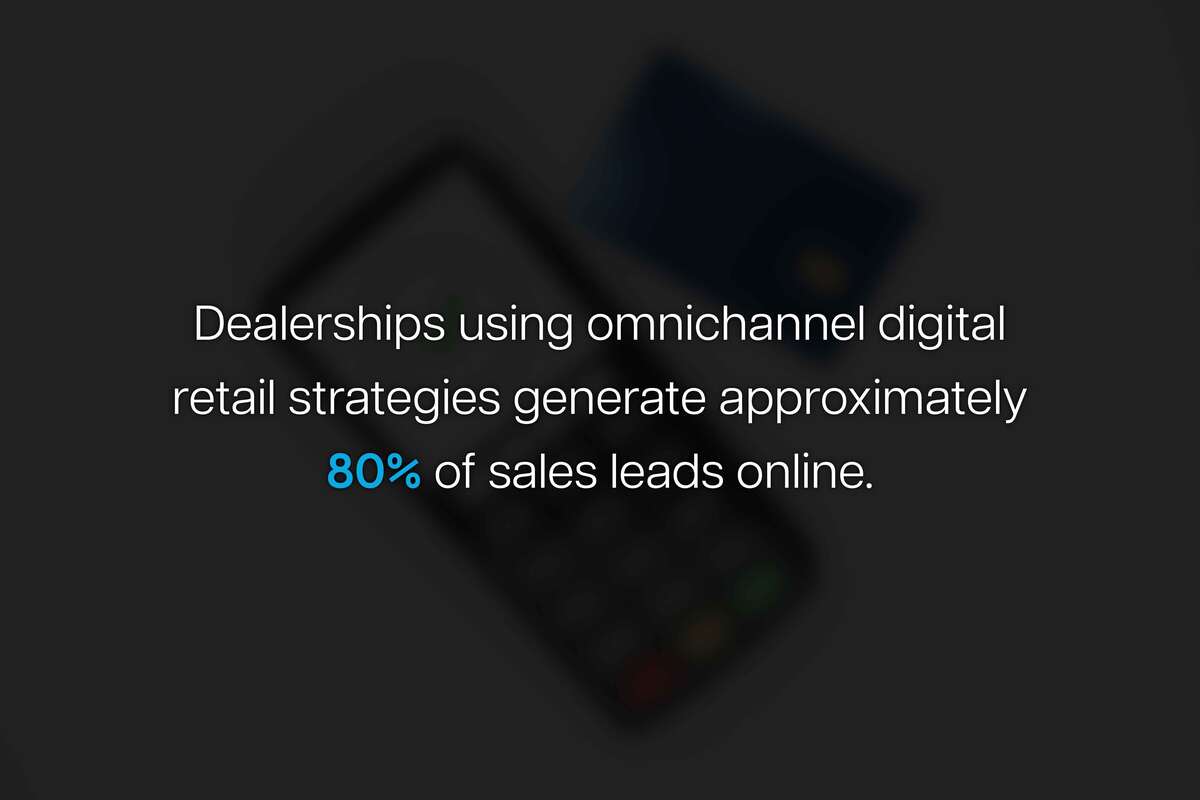
Dealers prioritizing omnichannel digital retail strategies (including online test-drive bookings and financing pre-approvals) now generate approximately 80 percent of their sales leads through online channels [10]. To effectively capture these leads, the payment experience must be frictionless. Modern buyers expect to complete or settle transactions through secure web portals or mobile applications as easily as any e-commerce purchase.
Looking Ahead: 2025–2026 Industry Trajectory
As the automotive industry moves into 2025 and 2026, the trajectory is clear: dealerships that embrace digital payment innovation will gain competitive advantages. Investment in AI-powered financing tools, integrated checkout applications, and enhanced fraud defense systems is accelerating. A recent Boston Consulting Group survey found that approximately 80 percent of dealerships plan to invest in artificial intelligence and digital retail technologies in the next two years, underscoring the urgent need for smarter payment systems [10].
Consumer behavior data demonstrates that the car-buying experience is becoming more efficient. New-vehicle buyers in 2023 spent roughly 12 hours from initial shopping to final purchase, representing an 80-minute decrease from 2022 as digital tools reduce paperwork requirements [10]. Dealers anticipate this trend will continue, with forecasts suggesting that online processes will handle the majority of automotive sales steps by 2030.
In this evolving landscape, dealerships will increasingly turn to specialists who understand the unique requirements of automotive payments. Solutions designed specifically for the industry's needs (including high-ticket sales, installment payment plans, and recurring service payments) help dealers automate funding processes and effectively manage risk. Ultimately, the most successful dealerships in 2025 will be those offering customers maximum convenience and choice in payment methods, from in-vehicle transactions to flexible installment plans, while maintaining rigorous security standards and operational efficiency.
Conclusion
The automotive payment processing landscape is experiencing rapid transformation driven by changing consumer expectations, technological innovation, and evolving business models. Dealerships that successfully integrate emerging payment technologies (including BNPL financing, contactless payments, and connected vehicle commerce) while maintaining strong fraud prevention and security protocols will be best positioned for growth. As digital tools continue to streamline the purchase journey and younger generations demand seamless omnichannel experiences, investment in specialized automotive payment solutions has become essential for competitive success.
References
- Cox Automotive, 2023 Car Buyer Journey Study, January 17, 2024
- Bellan, TechCrunch, "Ford signs 5-year agreement with Stripe," January 17, 2022
- Visconti, Dealership Guy News, "Credit card fees are gaining traction in auto retail," September 10, 2025
- Harris, Auto Finance News, "BNPL picks up at dealerships," February 21, 2025
- RevitPay, Embedded Finance and Flexible Payment Models: Industry Trends and Outlook, 2024
- Mahaffey, RSPA, "The Outlook for Contactless Payment Adoption," November 22, 2024
- Payments Journal, Accelerating Digital Transformation to Boost Adoption of In-Vehicle Payment Services, July 7, 2023
- Payments Journal, Accelerating Digital Transformation to Boost Adoption of In-Vehicle Payment Services, July 7, 2023
- RevitPay, Automotive Payment Processing solutions documentation
- Boston Consulting Group, Steering US Auto Dealers Toward a Profitable Future, March 26, 2025
.svg)
Start Your Payment Review

.svg)
